14 October 2026
How to estimate shade netting demand across a growing region
A practical method for sizing shade netting demand by region, built from structure counts and replacement cycles, not a grower survey.
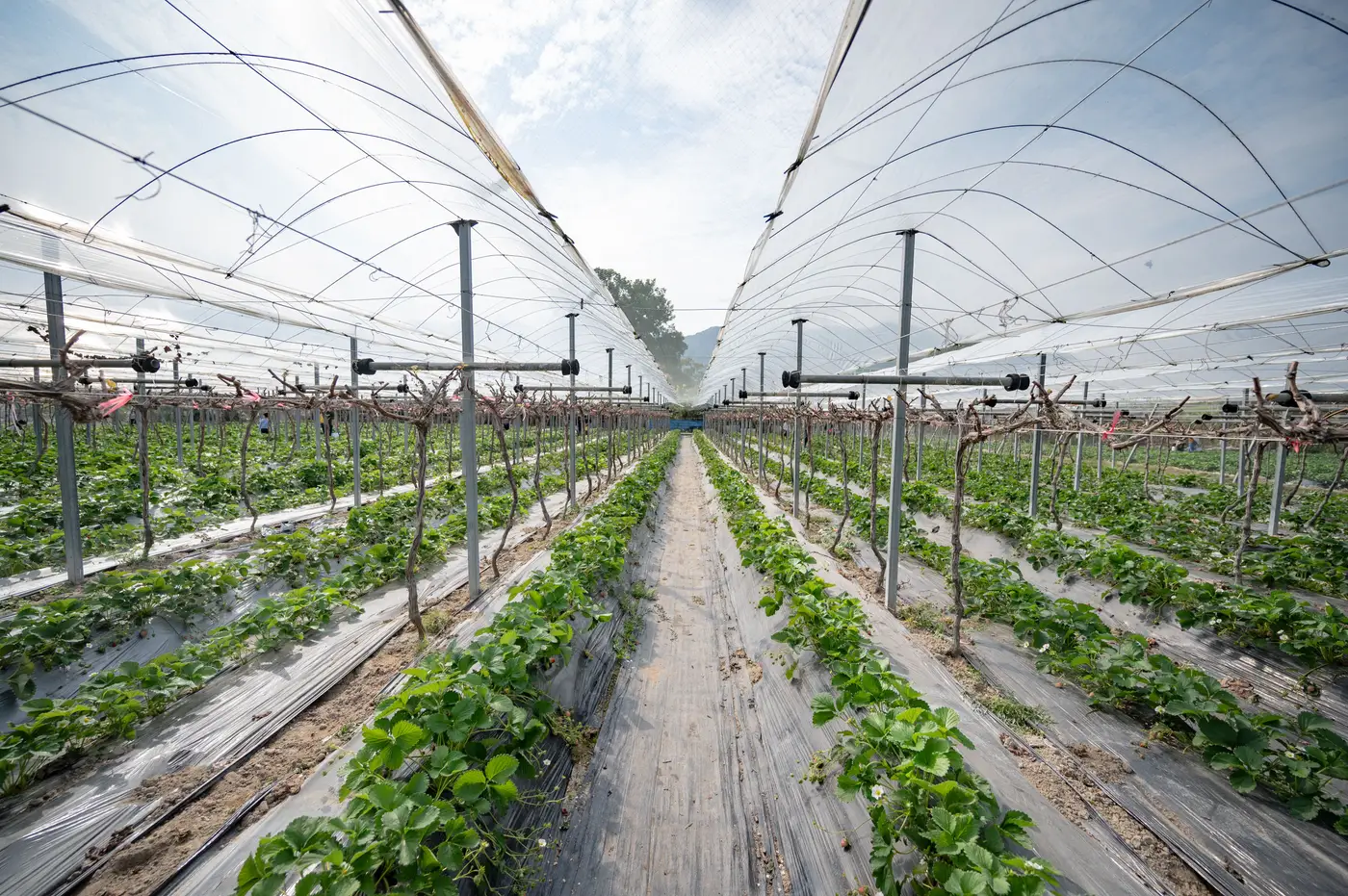
Shade netting demand is a planning number nobody hands you. Growers don't file reports when they re-cover a structure, distributors only see their own account list, and the trade associations that track greenhouse area usually lump shade houses in with poly tunnels and glass. If you're sizing a territory for a netting line or planning input allocation for a region, you end up building the number yourself.
Two numbers that make up demand
Regional netting demand splits into two pieces, and they behave differently.
Replacement demand is the area of netting already installed that will wear out and get re-covered this year. That's existing shade-house footprint divided by a replacement interval. Growth demand is new area: shade houses going up on ground that had none last season. Most regions see both at once, but in a mature growing area replacement usually dwarfs new build, while an expanding region (new berry acreage, a nursery cluster scaling up) can flip that ratio hard.
Treating these as one blended "demand" number hides which lever is moving. A supplier sizing a sales territory wants to know if next year's volume comes from re-covers on existing houses or from genuinely new accounts, because the sales motion for each is different.
Replacement cycles depend on the product, not the calendar
Shade cloth doesn't fail on a fixed schedule. Knitted versus woven cloth, the shade percentage, the climate exposure, UV load, wind loading on the frame, all of it shifts how long a given install lasts before the shade factor drops and growers start calling. Suppliers who've been in the trade a while tend to plan around a rough window rather than a hard number, and that window shifts by region: a high-UV, high-wind district wears netting faster than a milder one, even with identical product.
That's exactly why a one-size figure for "replacement cycle" applied across a whole state or province tends to undersell demand in the harsh zones and oversell it in the mild ones. The replacement assumption only gets useful once you can attach it to actual structure footprint by sub-region, not a regional average.
Structure type matters before you add up hectares
Not every protected structure takes shade netting. A region's protected-cropping footprint is a mix of shade houses, poly film tunnels, and glass, each pulling a different product and a different supplier relationship. A hectare count that lumps all three together overstates netting demand by however much of that area is actually plastic film or glass. Before the replacement-cycle math means anything, you need the footprint broken out by structure type, not just total covered area.
This is the part field survey struggles with at regional scale. A rep can walk a district and log what they see on their route, but a route isn't a region, and the structures a given supplier doesn't sell into are the ones most likely to go uncounted. Greenhouse Mapping builds that structure-by-structure inventory from satellite imagery instead, classifying each one by type and footprint so the shade-house area can be pulled out on its own before any replacement-cycle assumption gets applied to it.
Putting it together
A workable estimate for a territory looks like: shade-house hectares by sub-region, times an assumed replacement fraction that accounts for local UV and wind exposure, plus whatever new shade-house area went up since last year's count. None of those three inputs holds still, which is the actual reason this needs an annual refresh rather than a one-time survey a territory gets scoped against for the next five years.
If you're trying to size a region instead of guessing from last year's orders, an annual structure count by type is the input that makes the rest of the math worth doing.