The blog
Notes from Greenhouse Mapping
16 November 2026
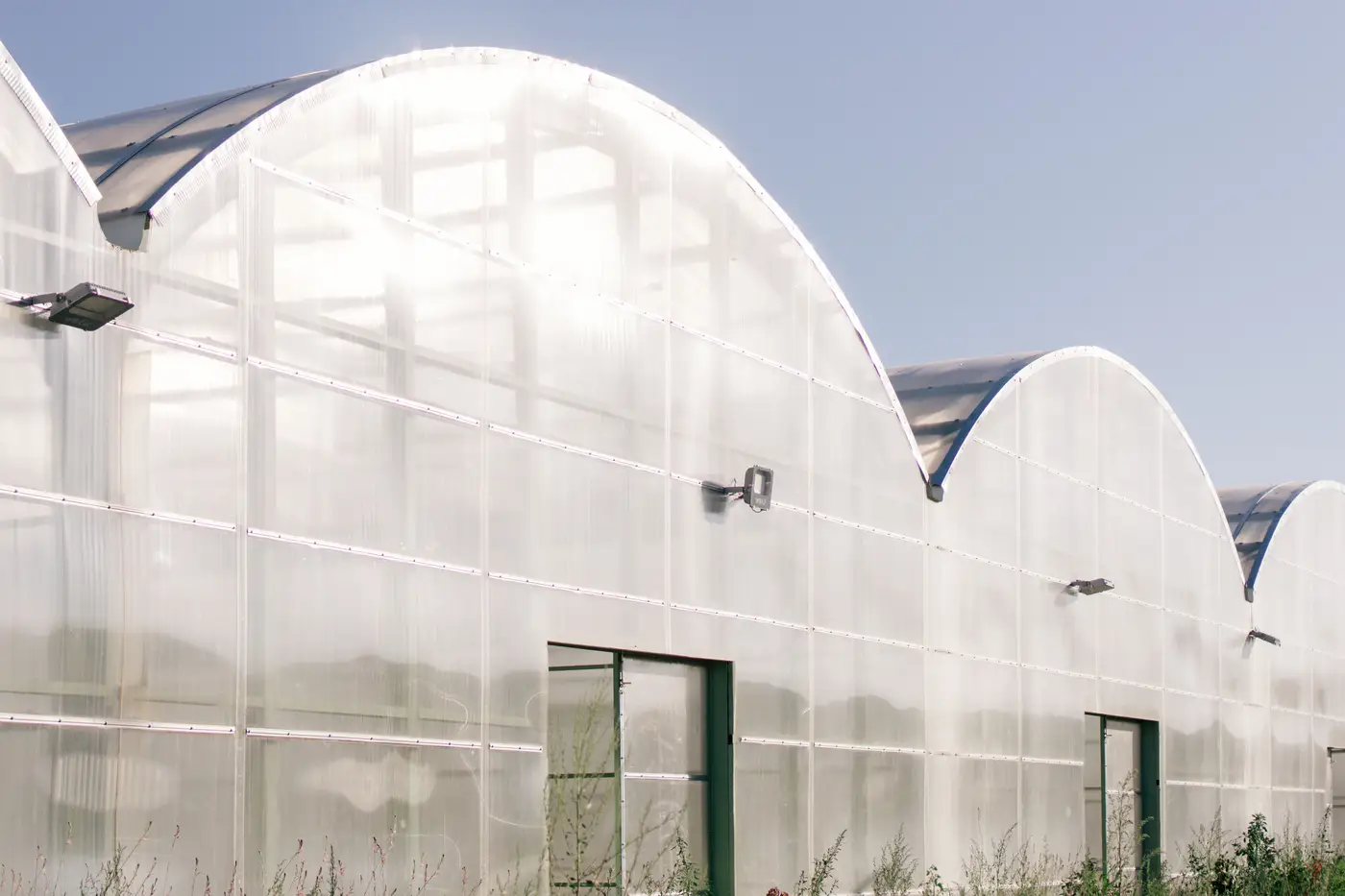 Double-poly vs single-layer film: what the air gap tells you about heating demand
How to tell double-poly inflated roofs from single-layer film in protected cropping, and why that difference drives heating fuel and blower demand.
16 November 2026
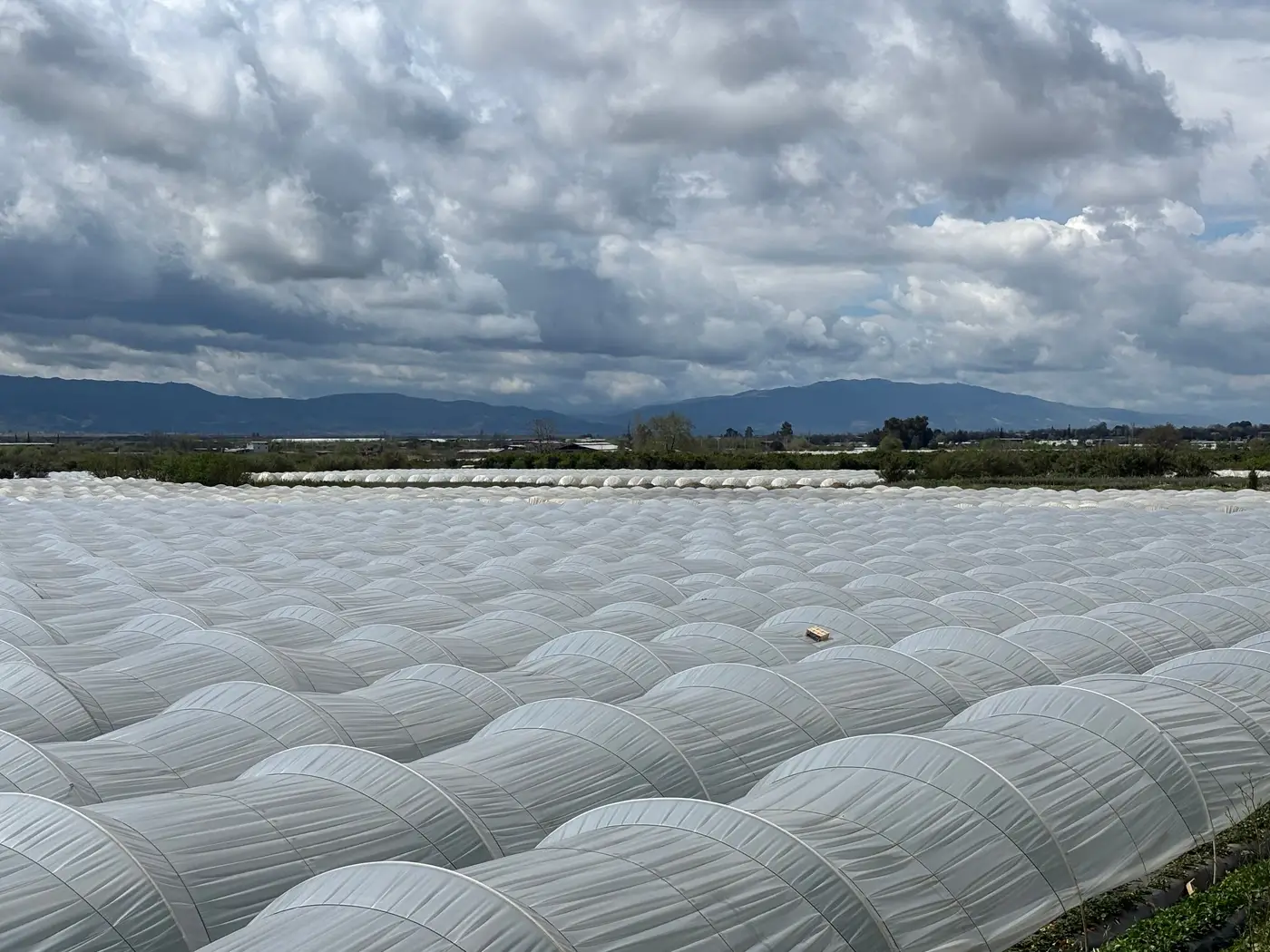 Field notes: the valley where the greenhouse count finally caught up with the zoning map
A field note on why zoning maps undercount protected-cropping structures, and what closes the gap between the parcel file and the roofline.
9 November 2026
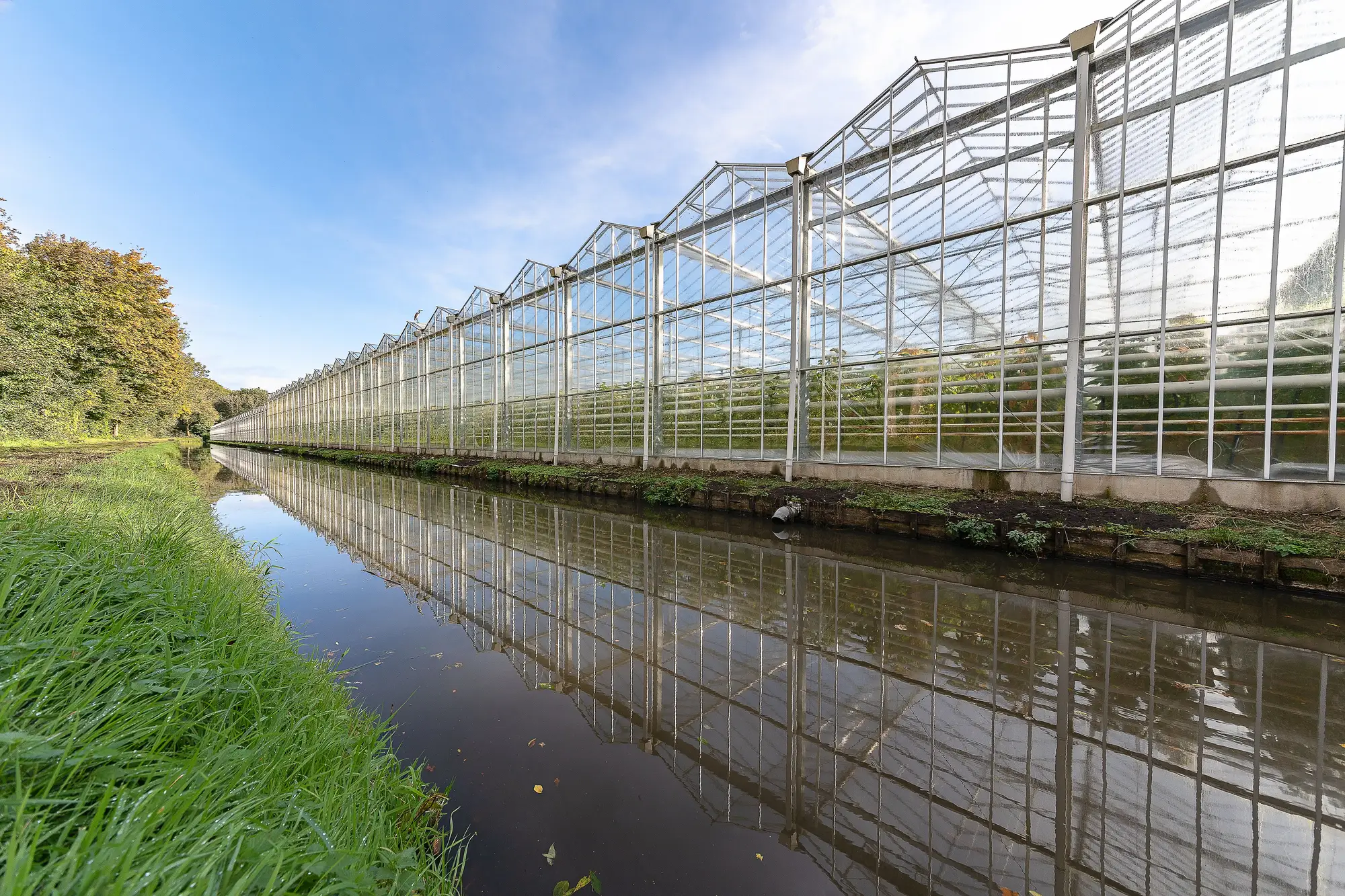 Glass vs polycarbonate glazing: telling roofs apart in satellite imagery
How glass and double-wall polycarbonate greenhouse roofs read differently in satellite imagery, and what actually resolves at 0.5–2 m GSD.
9 November 2026
Gutter height: why it matters for classifying a protected-cropping structureGutter height separates a plastic hoop tunnel from a high-wire glasshouse. What the term means and how it shows up in a structure inventory.
2 November 2026
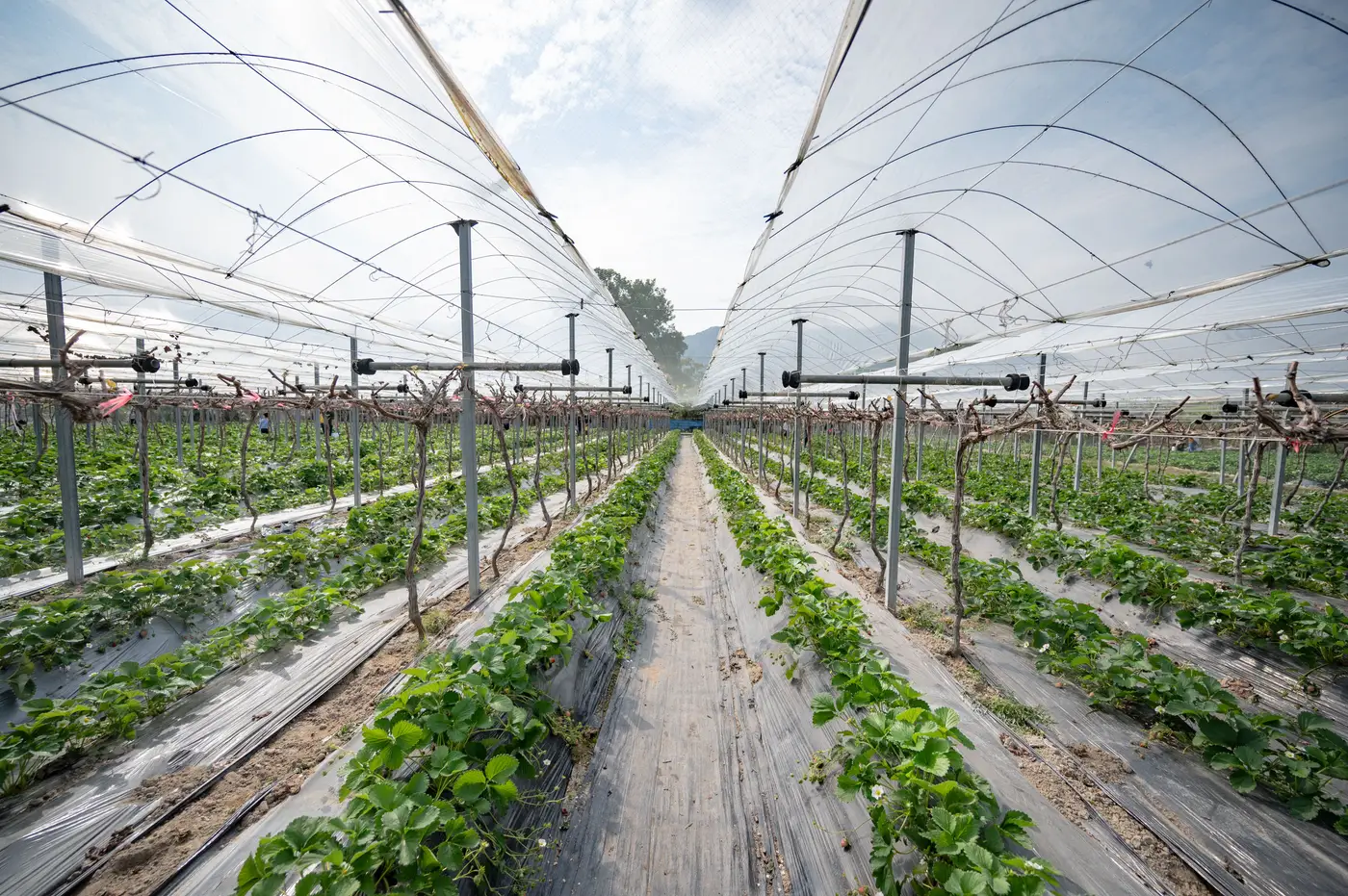 Field notes: the shade house that looked like a vacant lot from overhead
Why shade houses often vanish from overhead structure counts, and what that blind spot costs an input supplier sizing a territory.
2 November 2026
Greenhouse poly film replacement cycles and what they mean for demand planningHow long poly film lasts, what shortens the cycle, and why regional structure counts matter for annual film demand forecasts.
26 October 2026
How to tell an active greenhouse range from an abandoned one in satellite imageryGlazing condition, ground cover, and NIR signal: the visual cues that separate a working protected-cropping range from a derelict one.
26 October 2026
 Multi-span greenhouse or gutter-connected range? Reading the roofline
How to tell a gutter-connected range from standalone multi-span greenhouse blocks using ridge spacing, roof continuity, and vent lines in satellite imagery.
19 October 2026
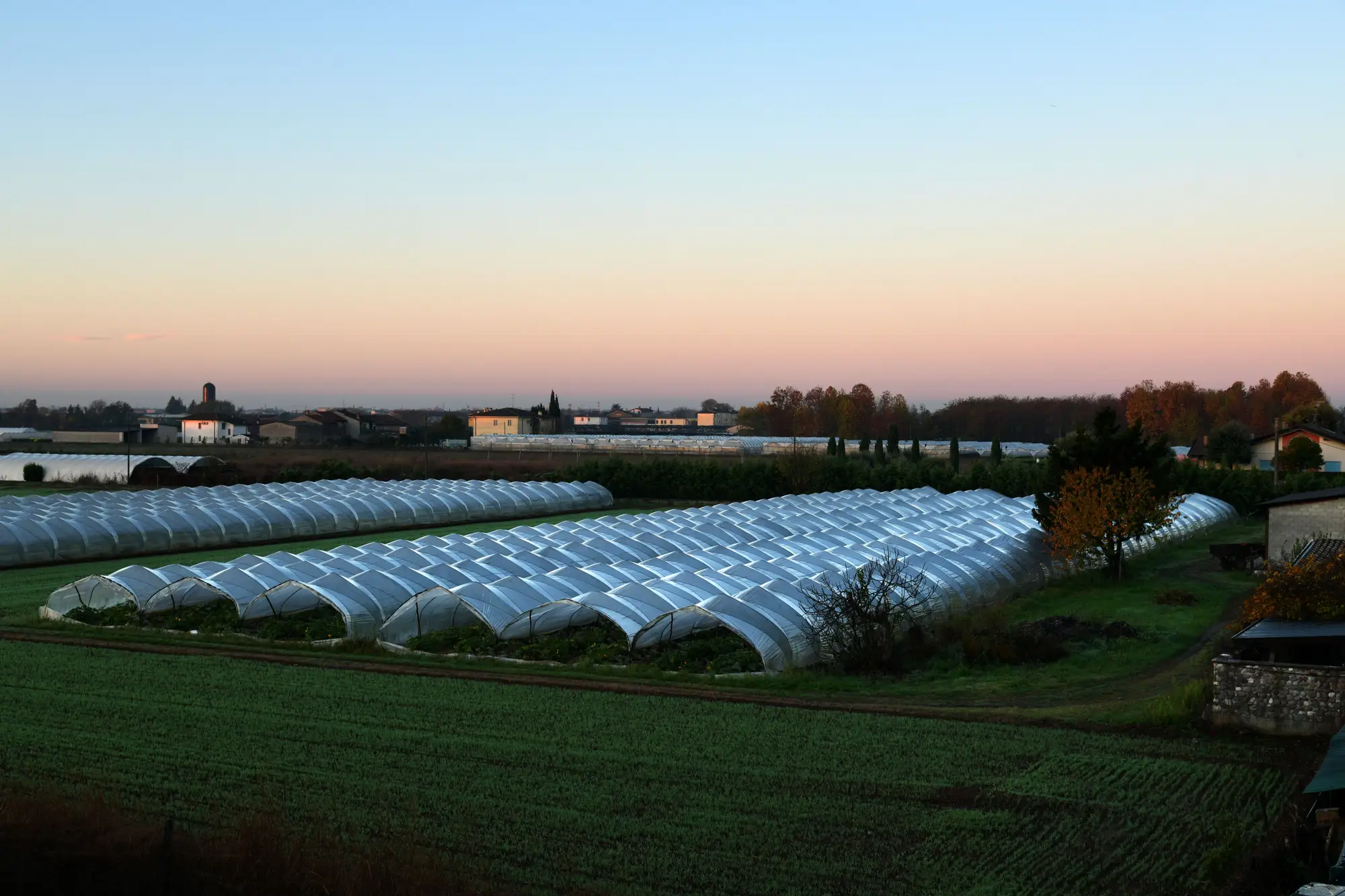 Field notes: the county that added more plastic than anyone's route plan accounted for
A regional rep's route plan missed a wave of new high tunnels and gutter-connected ranges. What that gap says about how territory gets sized.
19 October 2026
Hoop house vs. greenhouse: what actually separates the twoHoop house vs. greenhouse: frame, glazing, and climate-control differences, and why the split matters when sizing protected-cropping acreage.
14 October 2026
How to estimate shade netting demand across a growing regionA practical method for sizing shade netting demand by region, built from structure counts and replacement cycles, not a grower survey.
14 October 2026
What is a parral greenhouse?What a parral greenhouse is, how it differs from a multi-tunnel structure, and why the term is shorthand for Almería's plastic-covered plain.
13 October 2026
Shade house vs screenhouse: how to tell them apart in satellite imageryA field guide to distinguishing shade houses from screenhouses in high-res satellite imagery, by roof reflectance, wall type, and shadow pattern.
13 October 2026
What counts as protected cropping under crop insuranceHow adjusters and planners define protected cropping and an insurable structure, and where greenhouses, tunnels, and shade houses land.
7 October 2026
How to estimate greenhouse floor area from satellite imageryA working method for sizing plastic and glass structures from high-res satellite passes, plus the pitfalls that throw footprint counts off.
7 October 2026
Plastic tunnel or glasshouse: reading structures in satellite imageryHow to tell plastic tunnels from glasshouses in satellite imagery, using roofline, shadow, and NIR signatures to classify protected cropping structures.
7 October 2026
Venlo glasshouse vs tunnel house: reading roofline shape from aboveHow a Venlo glasshouse roof and a tunnel house roof read differently in satellite imagery, and why gutter-connect spacing changes the count.
7 October 2026
What counts as a greenhouse under agricultural zoning codesA look at how ag zoning codes classify greenhouses, high tunnels, and hoop houses, and why the line matters when you're sizing a region.